Entry · Ref GM0EGIAS
How to Figure Out Which Remote Car Key You Need Before Ordering a Replacement
- Posted
- 2026-11-12
- Last amended
- 2026-11-12
- Account
- @dailydriverguide
Start with the basics: what kind of key does your car actually use?
Before you order a replacement remote car key, you need to know exactly what type your vehicle accepts. Car keys have changed a lot in the past twenty years. A simple metal blade that only turns the lock cylinder is rare now. Most modern vehicles use a combination of a physical key blade and an electronic component that communicates with the car's immobilizer system. If you order the wrong style, it will not work, and you may waste time and money. This article walks through the steps to identify your car key type so you can get a replacement that actually works with your vehicle.
Check the physical shape of your current key
The first step is to look at the key you already have. If you have lost all copies, check with a friend or family member who might have a spare. If no key is available, look at the owner's manual or search online for images of keys for your car's make and model. The shape of the key blade tells you a lot. A standard metal key with a plastic or rubber head that has no buttons is likely a basic transponder key. A key with one or more buttons on the head is a remote key, sometimes called a remote fob. If the key has no visible blade at all and is a small rectangular or oval device, it is probably a smart proximity fob. Each type requires different programming and hardware.
Look for a transponder chip in the key head
Many car keys contain a small transponder chip inside the plastic head. This chip communicates with the car's immobilizer system when you insert the key into the ignition or bring it near the steering column. The chip does not need batteries. It is powered by the radio signal from the car. To check if your key has a transponder, look for a small security indicator light on the dashboard that flashes when you insert the key. If the car starts without any extra step, the key likely has a basic transponder. If the car requires a button press or a specific sequence, the key may include a remote function as well. Transponder keys are common in cars from the early 2000s onward. They are also called chip keys or electronic keys.
Identify the number and function of remote buttons
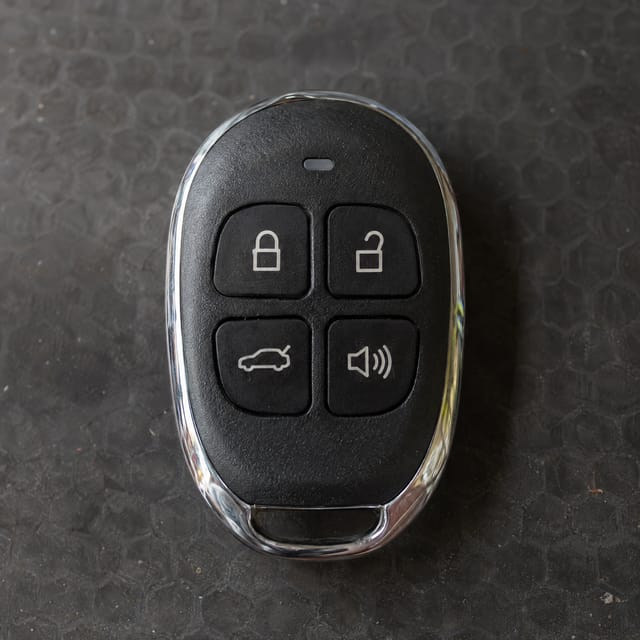
If your key has buttons, count them and note what each one does. Common buttons include lock, unlock, panic, and trunk release. Some remotes also have a button for remote start or a "push to start" function. The number of buttons can vary from one to six or more. Knowing the button layout helps when ordering a replacement because the new remote must match the same button configuration. Some vehicles use a single button for lock/unlock, while others have separate buttons for each function. Write down the exact pattern. Also check if the buttons are mechanical (you can feel them click) or capacitive (they sense touch). Most aftermarket remotes can be programmed to match the original button layout, but you need to specify the correct number and function.
Determine whether your car uses a smart proximity fob
Some newer vehicles, especially push-button start models, use a smart proximity fob instead of a traditional key. This fob communicates wirelessly with the car when it is nearby. You do not insert it into a slot. Instead, you keep it in your pocket or bag, and the car detects it when you press the start button. These fobs often have no visible key blade at all. If your car starts with a button and does not require a physical key to turn, you likely have a smart proximity fob. These fobs are more expensive to replace and require programming that links them specifically to your car's immobilizer system. Check the owner's manual or look for a model number on the back of the fob. Some fobs are also used for keyless entry on cars that still have a traditional ignition key. In that case, the fob handles locking and unlocking, while the key blade handles the ignition. Make sure you know which system your car uses before ordering the right key for your vehicle.
Check the diagnostic port for programming clues
Many cars have a diagnostic port under the dashboard near the steering wheel. This port is usually a 16-pin connector that a locksmith or programmer uses to communicate with the car's computer. If you have access to the port, you can often read the car's VIN or look up the key programming procedure online. Some cars require a specific sequence of turning the ignition on and off to enter programming mode. Others need a diagnostic tool that connects to the port. Knowing the port location and type can help a locksmith program your new key faster. For example, some older cars use a 12-pin port, while newer ones use a 16-pin or even a wireless interface. If you are not sure, take a photo of the port and show it to the locksmith. This information helps them determine the correct key type and programming method.
Look up the key part number online
Every original equipment manufacturer (OEM) key has a part number printed on it. This number is usually on the back of the remote or on the key blade itself. It may be a combination of letters and numbers. For example, a typical remote key part number might look like "FCC ID: HKT12345" or "IC: 1234A-5678". You can search this number online to find the exact specifications, including the frequency, chip type, and button layout. Be careful, though, because some aftermarket keys use similar numbers. It is best to use the OEM part number for accuracy. If you cannot find the number, check the car's manual or call a dealership. They can often tell you the part number based on the VIN. Once you have the part number, you can compare it with replacement keys from reputable suppliers. This step is crucial to avoid ordering a key that looks similar but does not work with your car's immobilizer system.
Consider whether your car has an immobilizer system
Most cars made after the mid-2000s include an immobilizer system. This system prevents the engine from starting unless it receives the correct electronic signal from the key. If your car has a security indicator light that flashes when you insert the key, it has an immobilizer. The key must contain a transponder chip that matches the car's code. Some cars also use a rolling code system, where the key and car change the code each time you start the vehicle. This adds an extra layer of security. If you order a replacement key without the correct chip, the car will not start even if the key blade turns the lock. You need a key that includes both the correct blade and the correct transponder or remote electronics. The right key for your vehicle must match both the physical cut and the electronic code.
Test the key blade itself
Even if your key has electronic components, the physical blade still matters. The blade must match the lock cylinder in your car's door and ignition. Over time, the blade can wear down, making it harder to turn. When ordering a replacement, you can often have the new key cut to match the original blade. If you have lost all keys, a locksmith can cut a new blade from the lock cylinder using a code or by impressioning. Make sure the replacement key includes a blade that is compatible with your car's lock. Some keys have a blade that is separate from the remote, while others have the blade built into the fob. Check which style your car uses.
Know the difference between a remote key and a smart fob
A remote car key typically has buttons that you press to lock or unlock the doors, and sometimes to open the trunk or start the engine. A smart proximity fob, on the other hand, works automatically when you are near the car. You do not press any buttons. Some cars use both: a physical key for the ignition and a separate fob for locking. Others combine everything into one device. Knowing which system your car uses will save you from ordering the wrong type. If you are unsure, ask a locksmith who specializes in car keys. They can often identify the type from the car's make, model, and year. This is especially important for newer cars that use encrypted communication between the key and the car.
Final checks before ordering
Once you have gathered all the information - the key shape, button count, transponder type, part number, and immobilizer system - you can order a replacement with confidence. Remember to check whether the replacement key comes pre-programmed or needs to be programmed by a locksmith. Some online sellers offer keys that are pre-programmed to a specific car, but they require you to provide the VIN. Others sell blank keys that need to be cut and programmed. Always verify that the key you order matches your car's exact specifications. If you are not sure, it is better to consult a professional. Replacing a car key is not like replacing a house key. The electronics are complex, and a mistake can leave you with a useless piece of plastic and metal. Taking the time to identify your key type correctly will save you frustration and ensure your replacement works the first time.